

SA 210 – Agreeing the Terms of Audit Engagement SA 210 – Agreeing the Terms of Audit Engagement explains the process of formally agreeing on the terms of audit between the auditor and the client. It requires the auditor to agree these terms through an audit engagement letter. This letter acts like a written agreement […]
SA 200 – Overall Objectives of the Independent Auditor
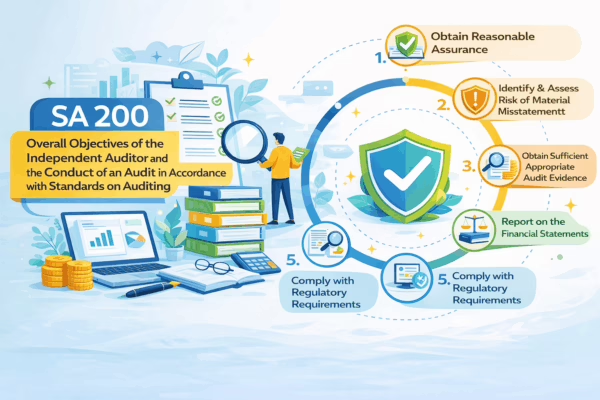
Objective of SA 200 SA 200 explains the overall objectives of the independent auditor and sets out the nature and scope of an audit. It also establishes the auditor’s responsibility to comply with Standards on Auditing (SAs) while performing an audit. Overall Objectives of the Auditor The auditor aims to: Obtain reasonable assurance about whether […]
What is Audit and Types of Audit

Introduction In today’s business environment, organizations carry out many financial transactions that affect investors, lenders, government authorities, and other stakeholders. These stakeholders rely on financial statements to make important economic decisions. Therefore, it is essential that financial information is accurate and reliable. Audit helps in achieving this by independently examining financial records and statements. It […]
Blocked Input Credit Under GST

Introduction Blocked input tax credit plays a crucial role in the GST framework by clearly defining credits that taxpayers cannot claim. However, many businesses overlook these restrictions, which often leads to errors and compliance issues. Therefore, understanding blocked ITC at the outset helps taxpayers make informed decisions. Moreover, it ensures accurate GST returns and better […]
Input Tax Credit under GST

Introduction Input Tax Credit (ITC) plays a pivotal role in the GST framework by ensuring that tax applies only to the actual value added at each stage of supply. In other words, it prevents the burden of tax from piling up and keeps the system fair and transparent. Moreover, ITC directly impacts cash flow, pricing, […]